PUBLICATIONS & RESEARCH OUTPUTS

  • Prince, M. K. (2026). “Extending Vernacular Timber-Centric Building Wisdom through Cross-Laminated Bamboo Components.” Extended abstract accepted for PLEA 2026; invited for a short oral presentation.
  • Jahan, E., Ahmed, K. S., & Prince, M. K. (2025). “Integrating Computational Carpentry for Sustainable Disaster Resilient Social Architecture in the Coastal Region of Bangladesh at Kutubdia Island.” In Proceedings of the International Conference on Smart and Sustainable Built Environment (SASBE 2024) (pp. 1024-1034). Springer Nature Singapore. https://doi.org/10.1007/978-981-96-4051-5_98
  • Prince, M. K. (2025). Potentials of Cross-Laminated Bamboo Components for Domestic Architecture in the Rural Context of Bangladesh [Master’s thesis, Bangladesh University of Engineering and Technology]. BUET Central Library.
  • Prince, M. K. (2022). At Point Zero [Editor and contributing author]. ArchTwist. ISBN 978-984-35-3426-2. Launched at Alliance Française de Dhaka. https://archtwist.com/publication/
  • Prince, M. K. (2017). “Analyzing a Morphology of Domestic Legacies.” Paper presented at FARU 2017, Wadduwa, Sri Lanka. http://dl.lib.uom.lk/handle/123/16391

BOOKS

> At Point Zero, Editorial Author. Published on December 17, 2022. Inaugurated at Alliance Française de Dhaka. https://archtwist.com/publication/ ISBN 978-984-35-3426-2. https://archtwist.com/publication/

December 2022 

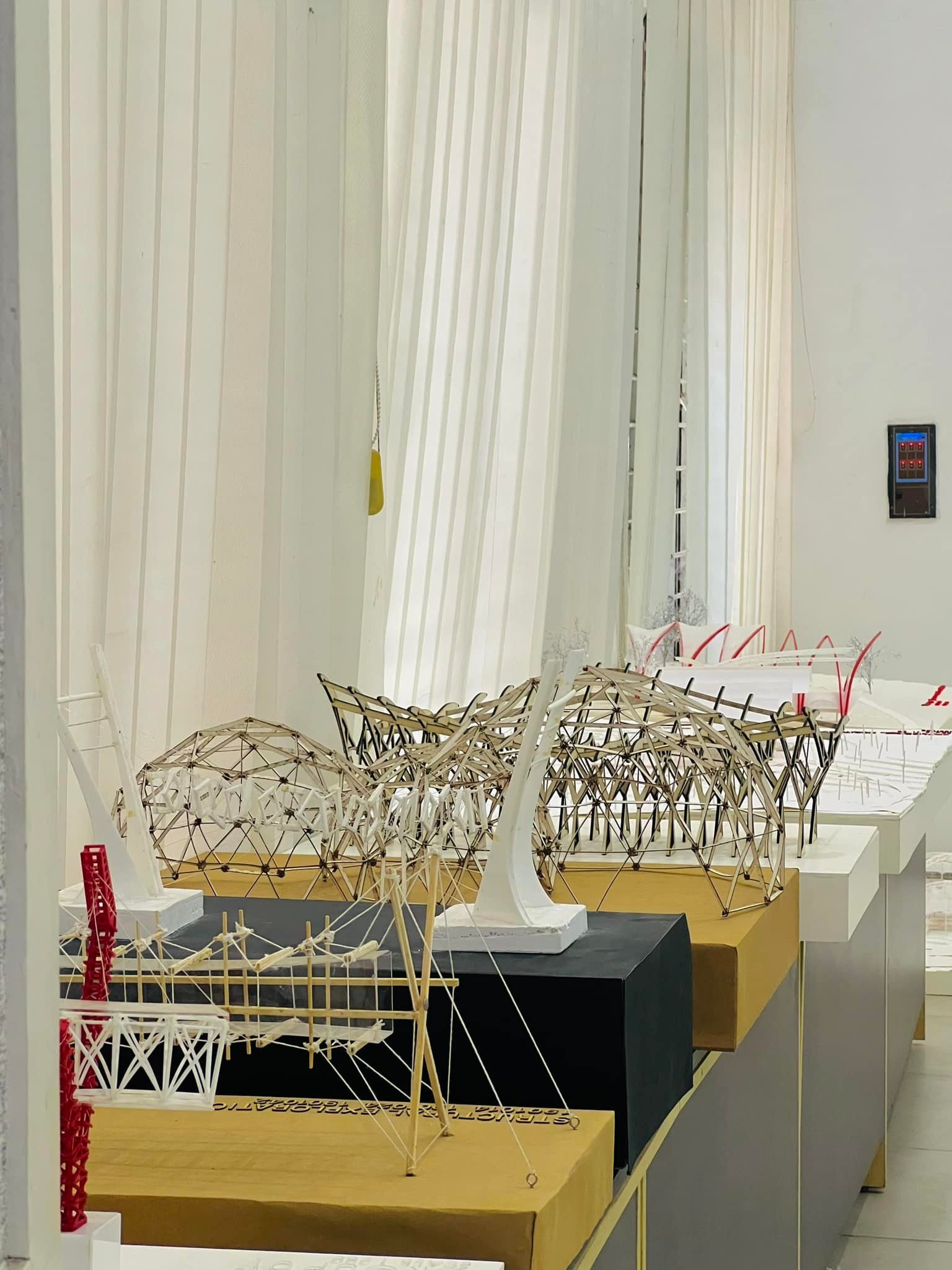
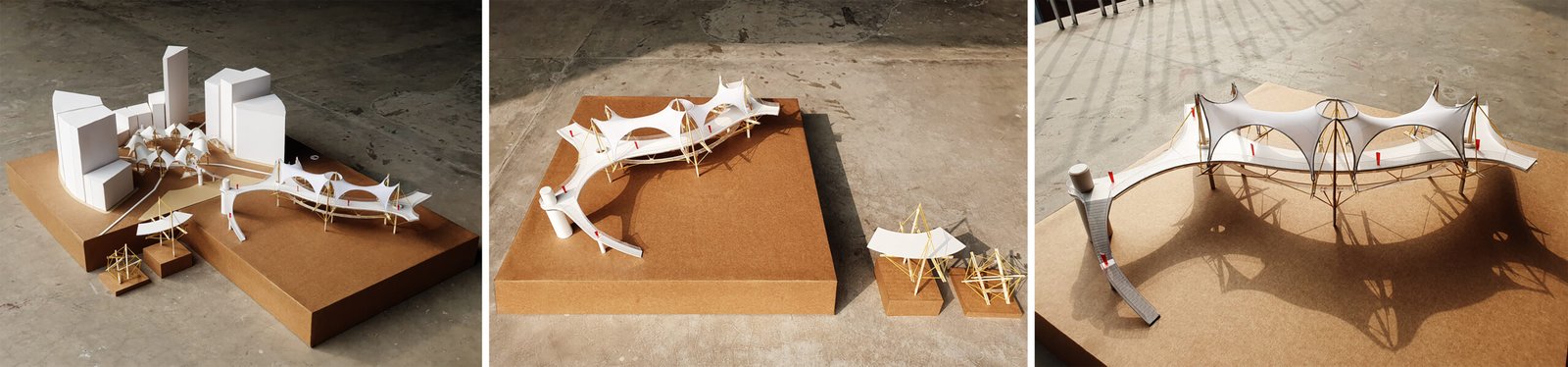
> T²T²  Tensegrity Tectonics, Textile Tectonics (Ongoing )

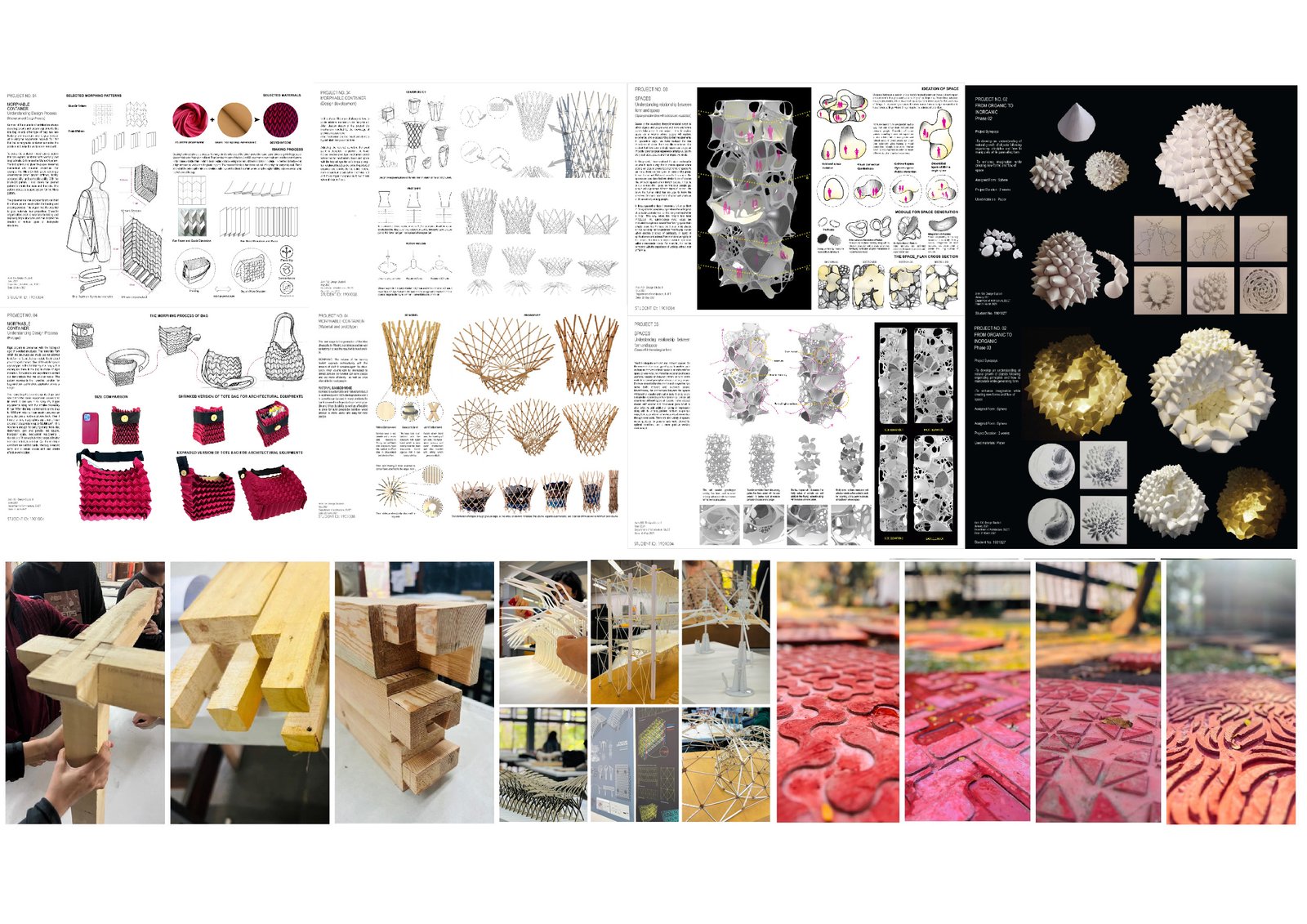
> S²F² Foldable Forms, Stretchable Spaces (Ongoing )

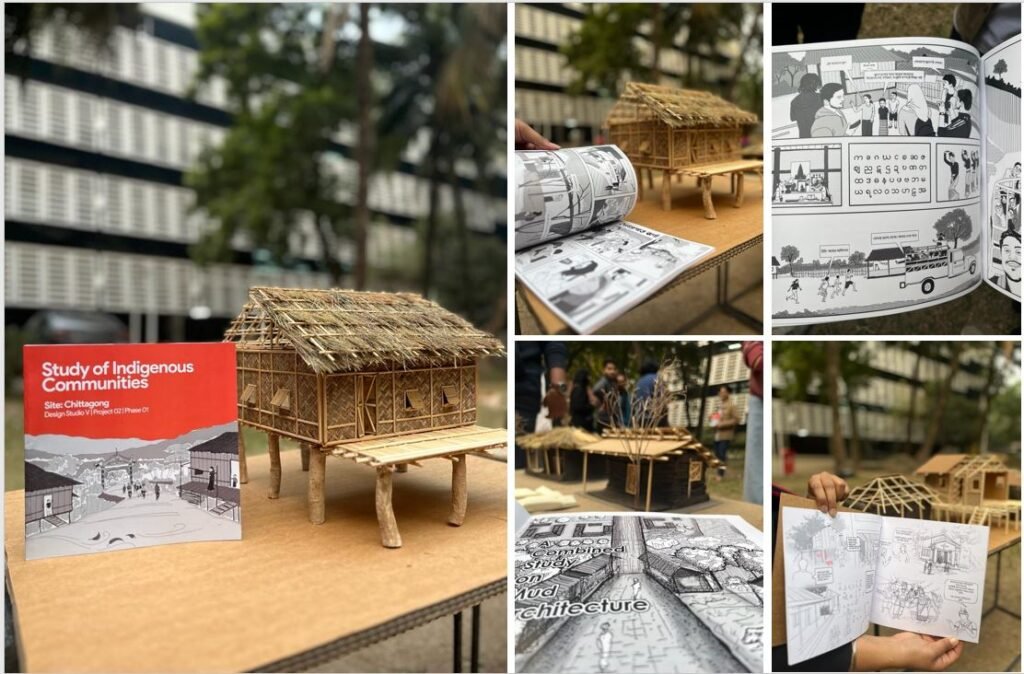
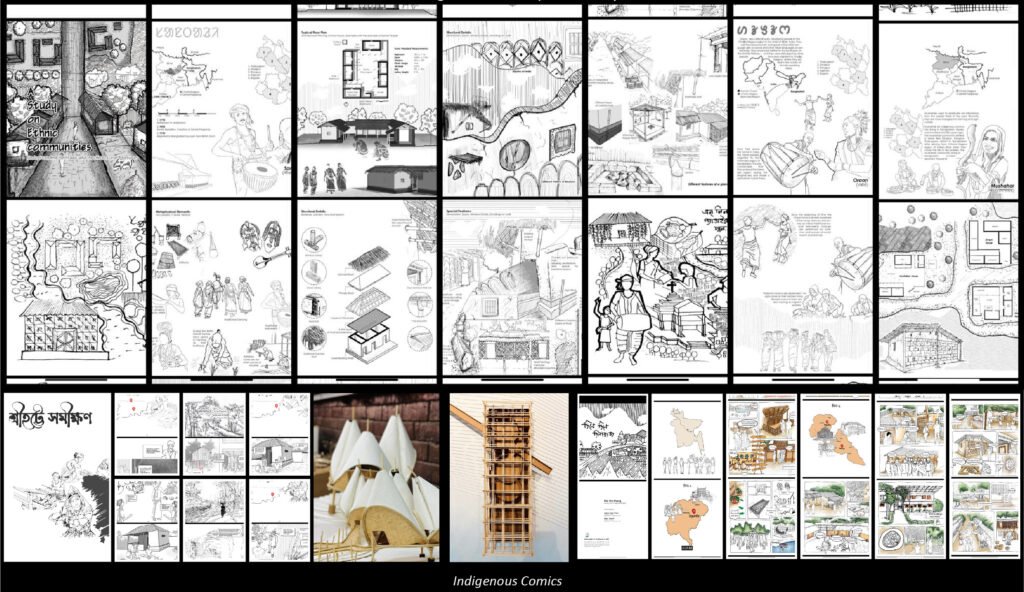
> Indigenous Comics: Chattogram, Sylhet, Rajshahi Division (2023)

> Scientific Insights from The Maxims of Khona (“KHONAR BACHAN”): Timeless Perspectives on Bangladesh’s Built Environment (Ongoing ) (In Bengali for Local People)

(PEER REVIEWED) 

> “POTENTIALS OF CROSS-LAMINATED BAMBOO COMPONENTS FOR DOMESTIC ARCHITECTURE IN THE RURAL CONTEXT OF BANGLADESH ” (Tentative Date : 26 February 2025 )

> “Exploring the Potential of Glulam Components for Cyclone Shelter Structures in Coastal Saline Environments of Bangladesh through Parametric Experimentation” (Journal of Architecture, BUET| Under Second Round Review )

BOOKS

Engaged pedagogical supervision

T²  Tensegrity Tectonics :

Indigenous Comics: Chattogram, Sylhet, Rajshahi Division

SUPERVISION | DESIGN STUDIO X | 2023

REMINISCENCE INTO METAVERSE

Engaged pedagogical supervision

Programmable Bio-Tectonics

RESEARCH | 2024

Bengal Bio-Lego

A Circular, Low-Carbon Future Rooted in Heritage

Bengal Bio-Lego redefines rural construction by integrating Cross-Laminated Bamboo (CLB), matured Coconut and Betel Nut Trees, and bio-based skin materials into a modular, parametric system. Drawing from Bangladesh’s rich timber-centric nomenclature for “Purlin,” “Rafters,” “Beam,” “Column,” “Stud”—this approach preserves vernacular traditions while advancing sustainable innovation.

In rural Bangladesh, traditional timber houses, refined through centuries of experimentation, have long been central to local architecture. These timber-framed dwellings are characterized by structural components such as posts (‘Khuti’), horizontal beams (‘Choukath’), end beams (‘Kachpair’ and ‘Kolpair’/’Kodla’), sills (‘Peti’), lintels (‘Choukath’), internal beams (‘Ara’), purlins (‘Chera’), jack rafters (‘Rua’/’Madaam’), and hip rafters (‘Konaich’), forming the essential framework of these vernacular structures. Bengal Bio-Lego builds on this legacy, modernizing it through sustainable materials and parametric precision.

At its core, structural Lego blocks utilize 3-4-year-old bamboo, matured coconut, and betel nut trees—naturally harvested at the end of their lifecycle. Skin Lego panels incorporate bamboo fiber, banana fiber, and coconut fiber blended with PLA and chitosan, ensuring biodegradability. Additionally, mycelium-based components infused with agricultural waste harness Bangladesh’s agrarian abundance, fostering circular, low-carbon construction.

Designed through Karamba 3D-driven parametric analysis, Bengal Bio-Lego ensures precision, adaptability, and resilience, merging biomaterials with local craftsmanship. By embracing heritage-driven innovation, it offers biodegradable, renewable alternatives that preserve structural integrity, cultural continuity, and environmental harmony—paving the way for a sustainable rural future.
Bio Structure Lego (Cross Laminated Bamboo, Matured Areca Nut and Coconut Tree )

Bio Skin Lego (Banana Fiber, Mycelium with Agricultural Waste, Coconut Fiber, PLA, Chitosan)

Scroll to Top